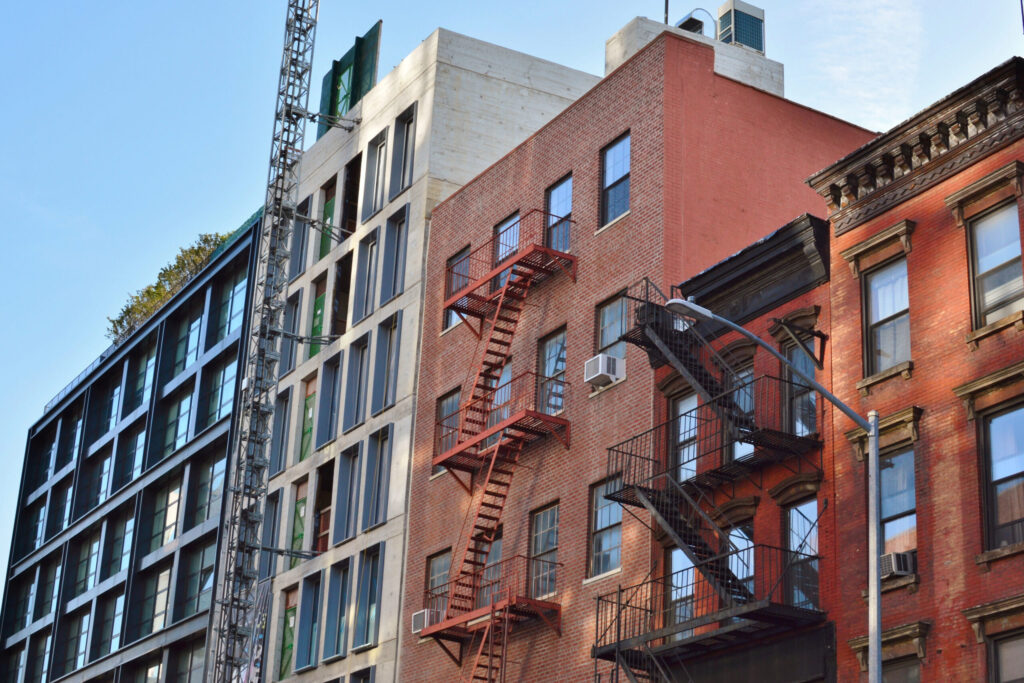
The Industrial Revolution fueled the growth of modern cities as people flooded urban areas in search of new opportunities and a better quality of life. But, over the last several decades, that dream has become further out of reach for millions of people as government-backed urban development projects and an influx of wealthier residents have made cities unaffordable, driving out poor and working-class residents.
In their new book, “Urban Redevelopment and Neighborhood Gentrification in Global Contexts: But Where are the Poor to Live?” Carol Camp Yeakey, the Marshall S. Snow Professor of Arts & Sciences at Washington University in St. Louis, and her former students, Ming Yin and Byung-Hoon Cheon, delve into the multifaceted and often contentious issues of urban redevelopment and neighborhood gentrification. Using comparative urbanism as their lens, the authors examine the socio-economic and political ramifications of neighborhood gentrification in three prominent global cities—New York, London, and Seoul, South Korea — since the 2007-09 Great Recession.
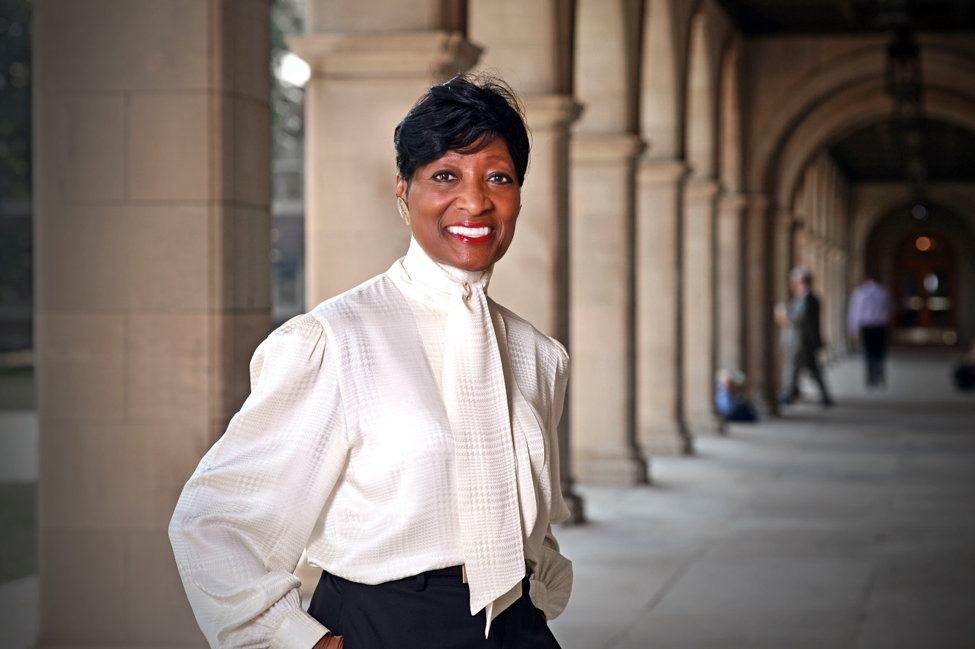
“We chose neighborhoods in New York City, London and Seoul because of the prominence of these cities as growth engines in the finance, insurance and real estate industries and their standing as global cities experiencing rapid urbanization and globalization,” explained Camp Yeakey, who also serves as a professor of public health in the School of Public Health, and was the inaugural director of WashU’s interdisciplinary program in urban studies and Center on Urban Research and Public Policy.