A nutrition program for pregnant women inspired by ancestral dietary patterns and adapted to locally available foods in Ecuador increased growth in a key fetal brain region, according to a study led by researchers at Washington University in St. Louis. The study appears in the Sept. 8 issue of the Proceedings of the National Academy of Sciences.
The Children’s Discovery Institute, a partnership with St. Louis Children’s Hospital, St. Louis Children’s Hospital Foundation and WashU Medicine, funded the work.
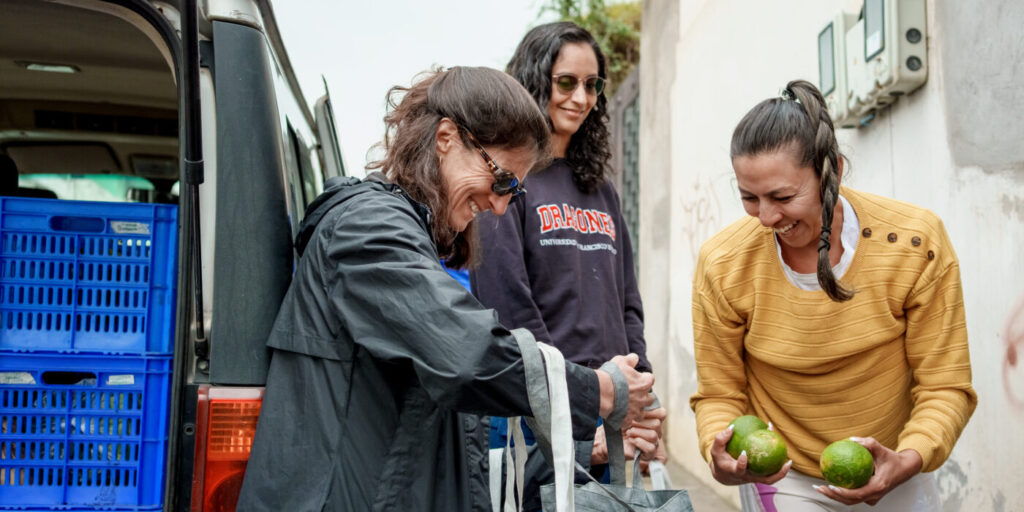
The trial, called Mikhuna, included 215 healthy pregnant women living in two low-resource communities on the outskirts of Quito, Ecuador. Researchers randomly assigned 111 women to an intervention group and 104 to a control group receiving standard prenatal care. From about 12 weeks of pregnancy until birth, women in the intervention group received weekly deliveries of eggs, fish, fruits and vegetables, along with guidance on eating a more diverse diet and limiting ultraprocessed foods.
The program drew on evidence about human diets across evolution while adapting those broad nutritional principles to the Ecuadorian context, including local foods and nutritional needs. Researchers tracked maternal diet and health along with socioeconomic and demographic factors that could influence the findings. They collected data throughout pregnancy and again two weeks after birth.