Science for Health Systems Inaugural Conference
The Science for Health Systems Conference is a global forum to share new research on the measurement and improvement of health system performance. This inaugural conference brought together researchers, policymakers, and implementers from multiple disciplines and regions of the world to share health system research methods and findings to maximize impact on health. In all, 31 countries were represented at the conference.

2025 Global Incubator Seed Grants awarded
A total of 20 projects won Global Incubator Seed Grants this month, allowing them to kickstart new research examining a whole host of issues, from the cyber defense of medical devices to the impacts of affordable housing on physical activity and health in Brazil.

Food futures forum tackles problem of transforming global food systems
The global food systems that keep more than 8 billion people fed come at a huge cost to public health and the environment in terms of climate change, wasteful and unsustainable production practices, and diseases of overnutrition, undernutrition and malnutrition. These costs will only rise as the global population continues to grow. To ensure that nourishing food is accessible and available to all while staying within planetary limits, the world must transform how food is produced, distributed and consumed.
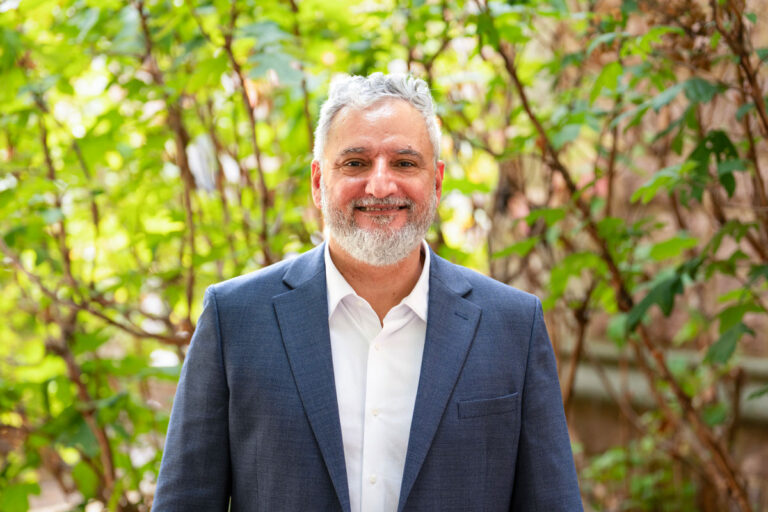
Public Health People: A conversation with Professor Rodrigo Reis
Rodrigo Siqueira Reis was running in a park in Curitiba, Brazil, on a weekend morning when he realized he had spent years approaching health backward. Around him, people were playing pickup soccer, jogging, and walking. They were simply living in a space that made movement natural, joyful, and free.
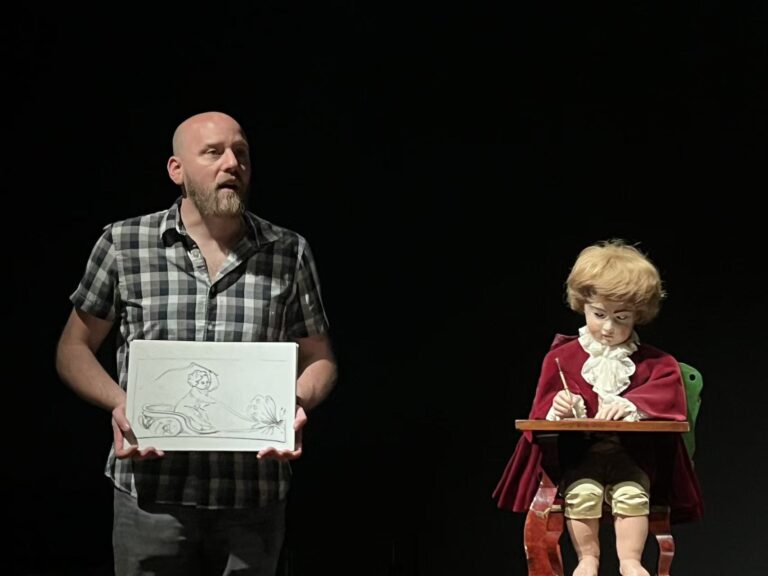
A Journey Among Living Machines and Their Makers
Switzerland’s multilingualism was an inescapable reminder that transcultural research is as much about studying trade objects as it is about linguistic and cultural understanding. For me, this trip was less about digesting large volumes of historical material and more about mapping the terrain—finding out what is where, and what I need to prepare before beginning my dissertation work in earnest.
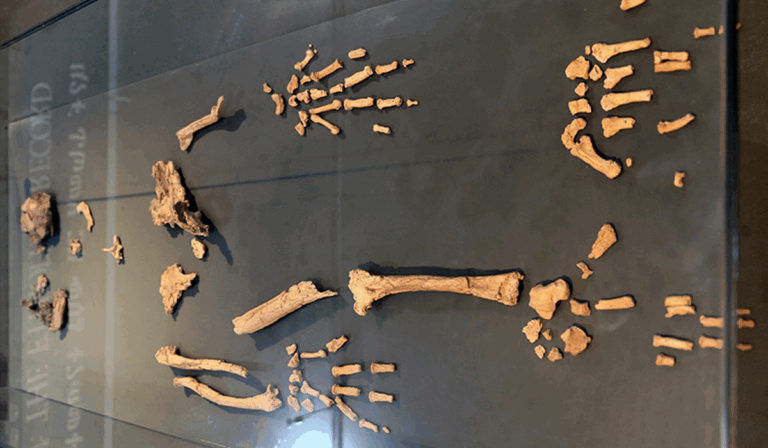
Analysis of 4.4-million-year-old ankle exposes how earliest ancestors moved, evolved
A new study from Washington University in St. Louis, published October 15 in Communications Biology, presents compelling evidence to support the hypothesis that humans evolved from an African ape-like ancestor.
Tissue ‘tipping points’: How cells collectively switch from healthy to disease states
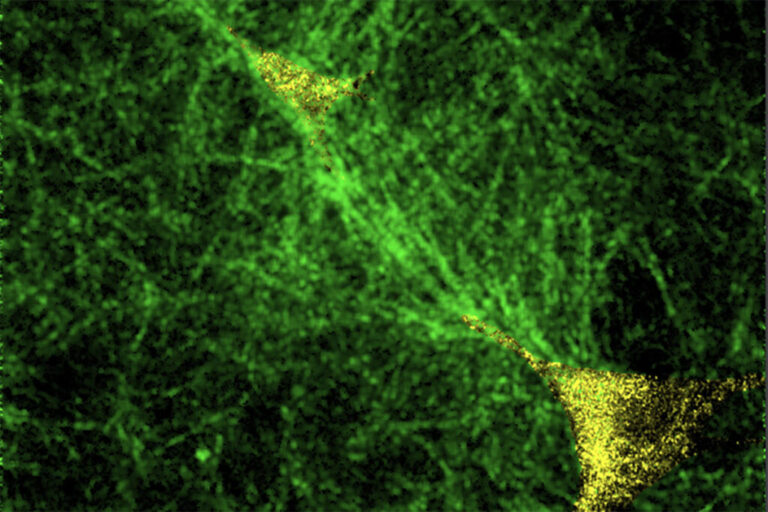
Collaborative research from Guy Genin’s lab and Tsinghua University identifies phase transitions in living tissue that could explain why fibrosis suddenly accelerates Cells convert mechanical forces into signals that influence physiological processes, such as exercise strengthening bones. A research team at Washington University in St. Louis and Tsinghua University in Beijing have discovered that biological […]

‘Pirates’ of the Caribbean: The luck and pluck of three-legged lizards
More than 20 years ago, Jonathan Losos was in the Bahamas pursuing one of his favorite pastimes — catching and measuring anole lizards — when he spotted a familiar reptilian flash on a branch. A chance encounter by him inspired a team of biologists to study lizards with missing or reduced limbs.

Implementing science across borders
For the first time, the Prevention Research Center (PRC) at Washington University in St. Louis has taken its signature Evidence-Based Public Health training program (EBPH) to a U.S. territory. This summer, the EBPH faculty delivered the course over three and half days in Caguas, Puerto Rico.
WashU team wins $3.9M to provide cameras for gamma-ray observatory
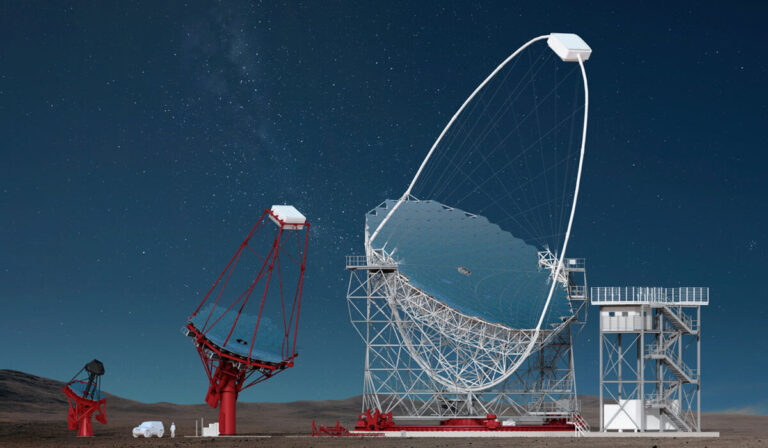
A team of WashU researchers and engineers has won a $3.9 million grant from the National Science Foundation to build and install gamma-ray cameras for the Small-Sized Telescopes of the Cherenkov Telescope Array Observatory (CTAO), the smallest of the three classes of telescopes the observatory will deploy. The telescopes are planned for the observatory’s Southern Hemisphere site in Paranal, Chile.