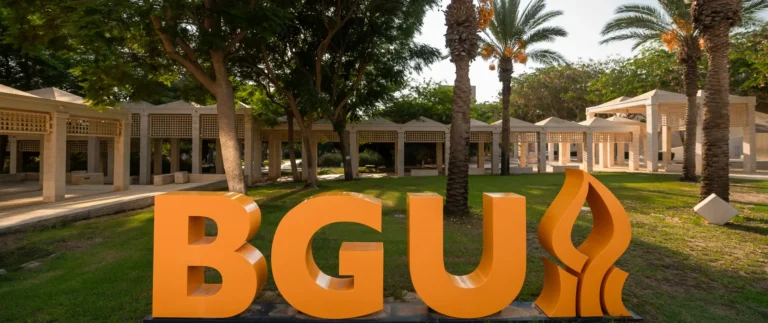
WashU and Ben-Gurion University sign MOU during campus visit
WashU and Ben-Gurion University of the Negev (BGU) signed a memorandum of understanding to expand collaboration in research and education. Senior Vice Provost Vijay K. Ramani and BGU Vice President for Global Engagement Michal Bar-Asher Siegal discussed opportunities to build on existing faculty connections across disciplines, with plans beginning with a joint seed grants program and student exchange.
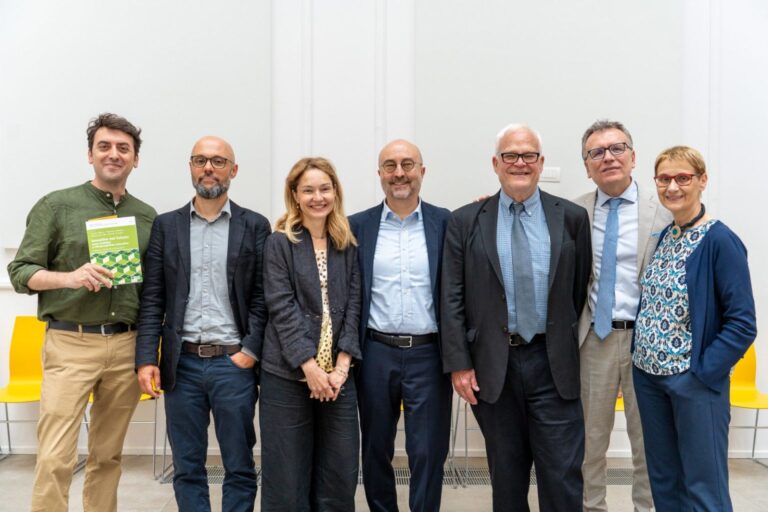
Sherraden Keynotes Anniversary Celebration, Book Launch
At the June celebration, CSD’s founder traced the evolution of the asset-building movement and celebrated the release of a compelling new book on its development in Italy. In 1595, the citizens of Turin, Italy, established a foundation to provide dowries for young women whose families could not afford them. The effort was seen as a […]
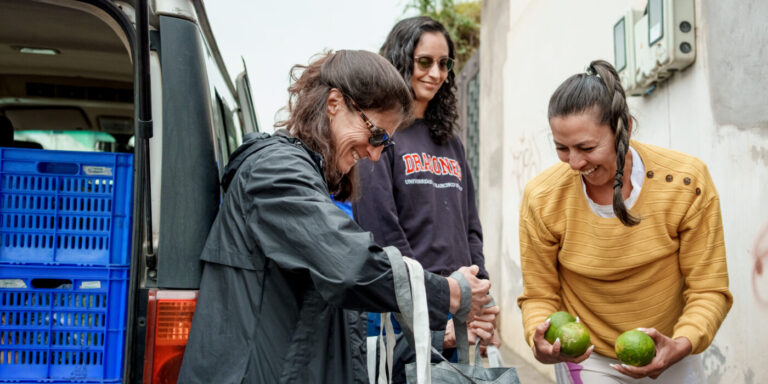
Pregnancy nutrition trial in Ecuador improves fetal brain growth
A nutrition program for pregnant women inspired by ancestral dietary patterns and adapted to locally available foods in Ecuador increased growth in a key fetal brain region, according to a study led by researchers at Washington University in St. Louis.
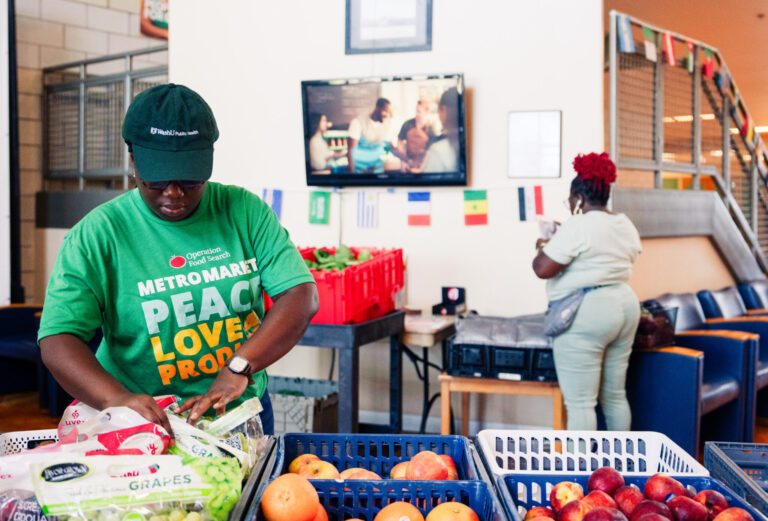
From water sanitation in South Africa to suicide prevention in Missouri schools, students explore public health in summer program
Bursky Public Health’s Summer Experience Program offers undergrads, MPH students hands-on experience with diverse aspects of public health research, practice.
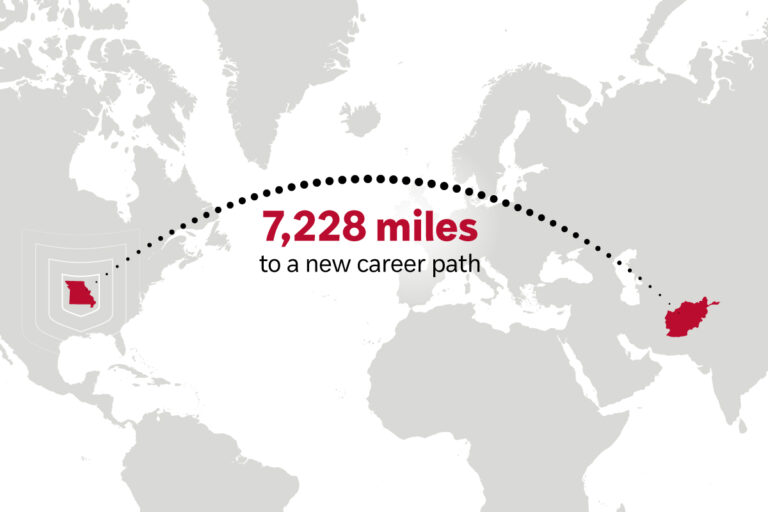
From ashes and adversity to a new career path
Farahnaz Tooryalai’s journey from Afghanistan to St. Louis is a story of resilience, opportunity and a determination to continue her career in health care. After relocating to the United States in 2022 and overcoming significant personal and professional challenges, Tooryalai found a new pathway through the WashU Medical Apprenticeship Program.
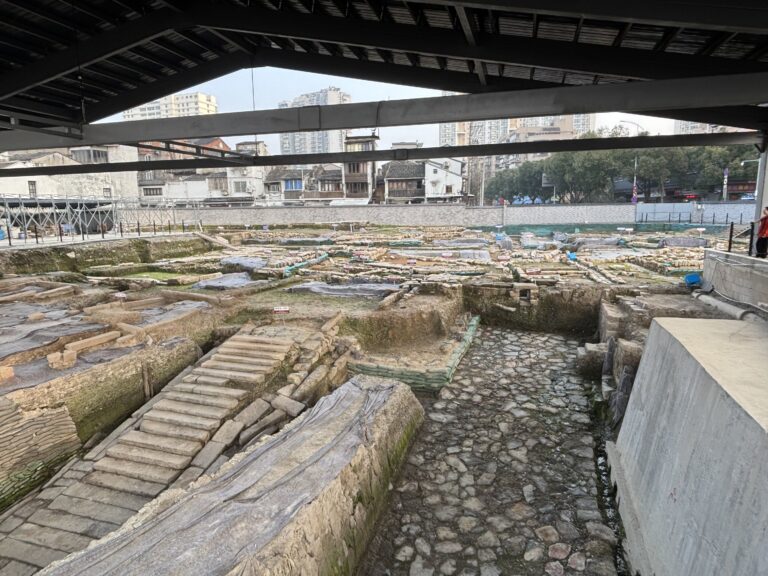
Waterlogged seeds reveal melons’ ancient journey
Melons produce many seeds, making the melon shape a traditional symbol of fertility and prosperity in Chinese culture. But the historical debate about how melons made their way to modern tables is as long and twisted as the vines they grow on.

Michael Wysession explores how geology shaped human history in new Great Courses series
How have earthquakes, volcanoes, climate shifts, and other forces of nature shaped the course of human history? WashU Professor Michael Wysession explores the connections between geology and civilization in a new 24-lecture series from The Great Courses, examining how our dynamic planet has influenced societies across time—and continues to shape the world we live in today.
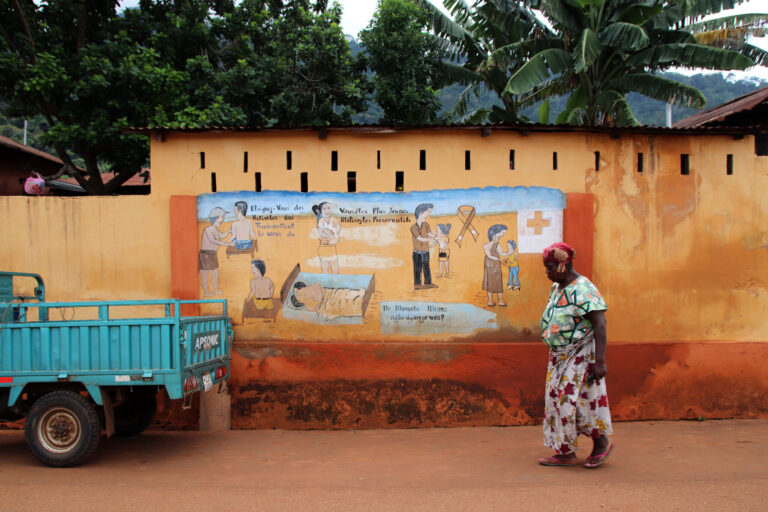
Speeding progress toward ending HIV epidemic is aim of global conference
The HIV, Infectious Diseases, and Global Health Science of Implementation Conference, or VISTA, will take place from September 21-23, 2026, in Cape Town, South Africa. VISTA is organized by researchers from Washington University in St. Louis and the University of Cape Town.
WashU–University of Warwick Collaboration Fund recipients announced
Five new projects have been selected for funding through the WashU–University of Warwick Collaboration Fund, the latest step in advancing our strategic partnership. The projects span the physical and life sciences, humanities and social sciences, and AI-enabled healthcare education, each pairing complementary expertise from both institutions to tackle complex global challenges with lasting academic, educational, and societal impact.
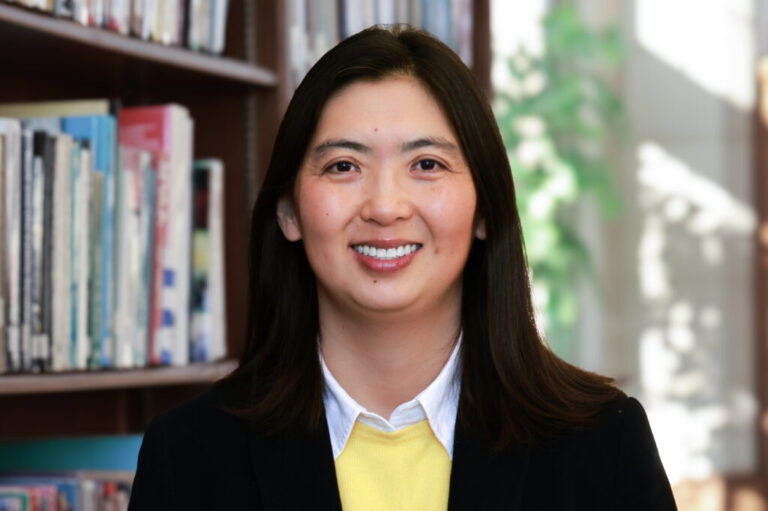
Zou to represent International Consortium for Social Development at United Nations
Li Zou, international director at the WashU Brown School’s Center for Social Development, has been appointed to represent the International Consortium for Social Development at the United Nations.