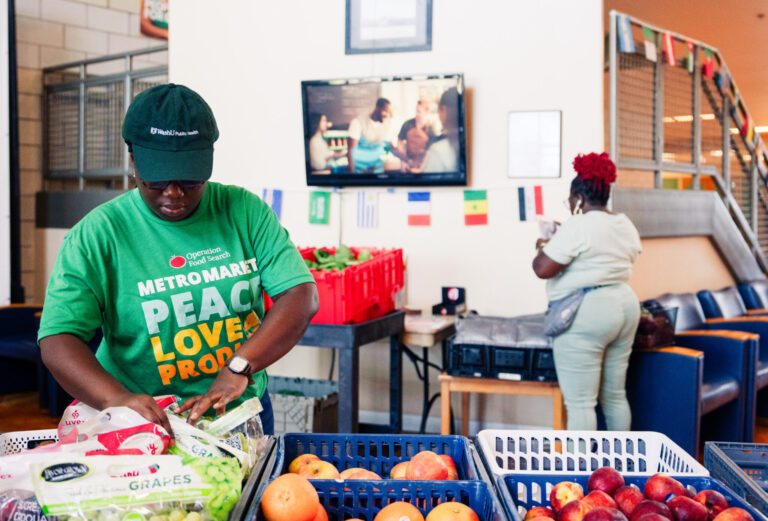
From water sanitation in South Africa to suicide prevention in Missouri schools, students explore public health in summer program
Bursky Public Health’s Summer Experience Program offers undergrads, MPH students hands-on experience with diverse aspects of public health research, practice.
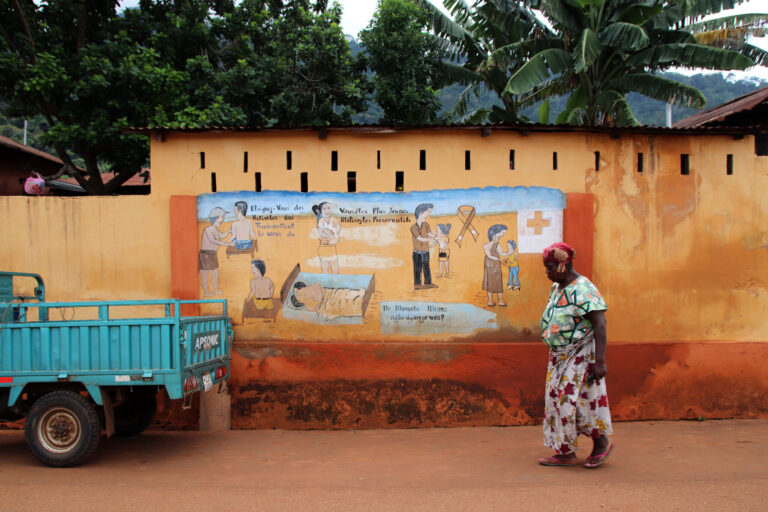
Speeding progress toward ending HIV epidemic is aim of global conference
The HIV, Infectious Diseases, and Global Health Science of Implementation Conference, or VISTA, will take place from September 21-23, 2026, in Cape Town, South Africa. VISTA is organized by researchers from Washington University in St. Louis and the University of Cape Town.
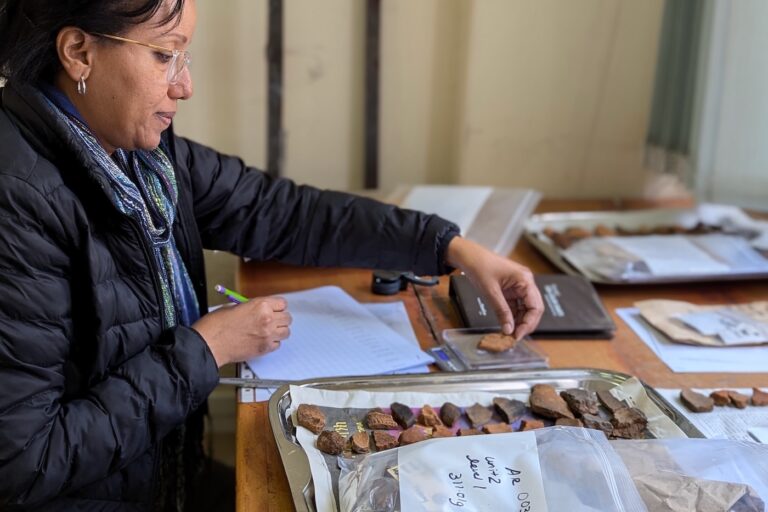
Washington People: Helina Woldekiros
WashU’s Helina Woldekiros is leading the first archaeological excavations of sites associated with the ancient Kaffa kingdom in highland Ethiopia. Her new research considers what ancient food webs teach us about the future of agriculture and the origins of coffee.
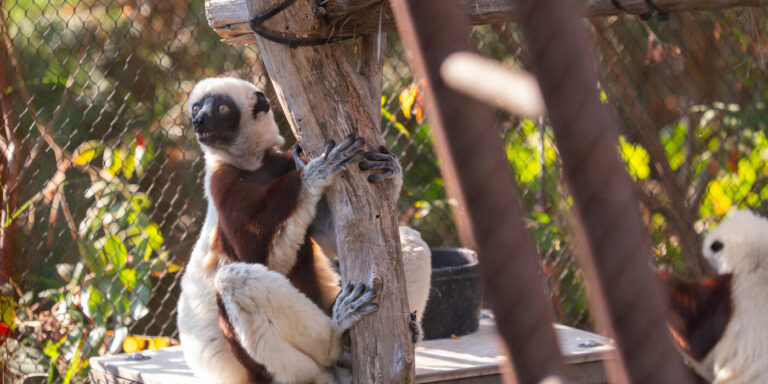
New initiative launches to save primates, transform global conservation approaches
The Endangered Primate Information Collaboration (EPIC) will combine on-the-ground expertise and high-tech monitoring to observe and protect populations of diademed sifakas (“dancing lemurs”) in Madagascar as well as western lowland gorillas and chimpanzees across Africa’s Congo Basin.
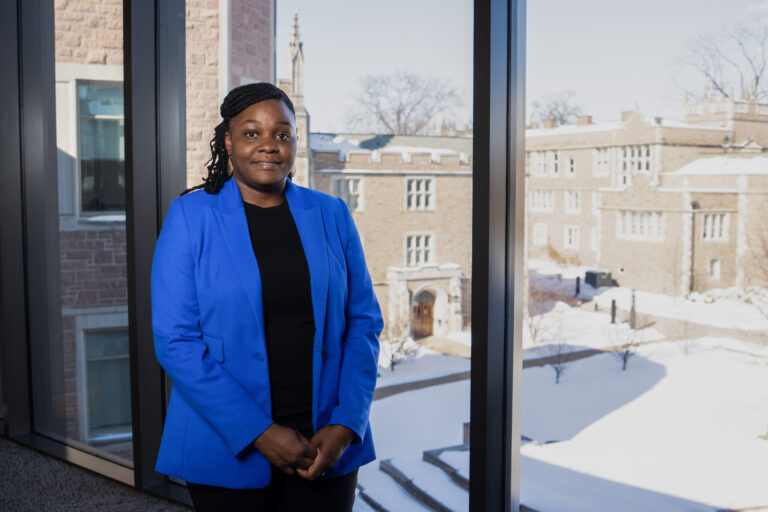
Anita Kabarambi awarded Margaret McNamara Education Grant
WashU Public Health PhD student Anita Kabarambi has received a Margaret McNamara Education Grant to study how to implement cervical cancer prevention into HIV care in Uganda.
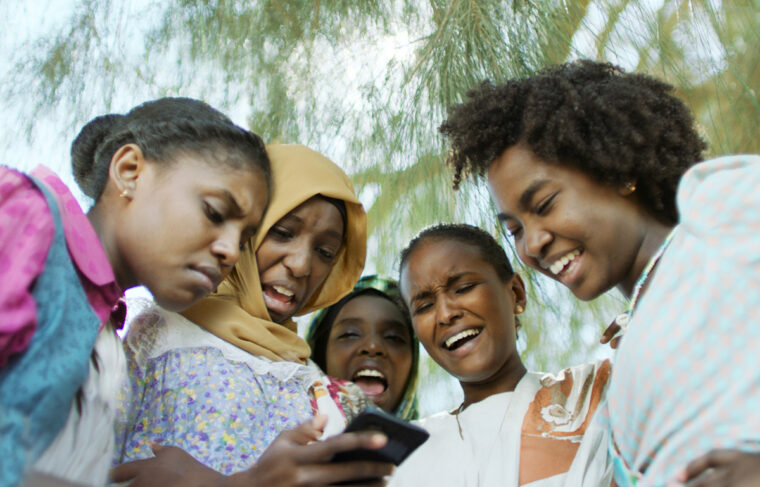
African Film Festival celebrates 20 years
Wilmetta Toliver-Diallo, a lover of movies and a student of Africa, had a vision to introduce St. Louis audiences to films from Africa. The goal, she said, was to showcase the hidden talents of African filmmakers and the diversity of the continent’s nations and cultures.
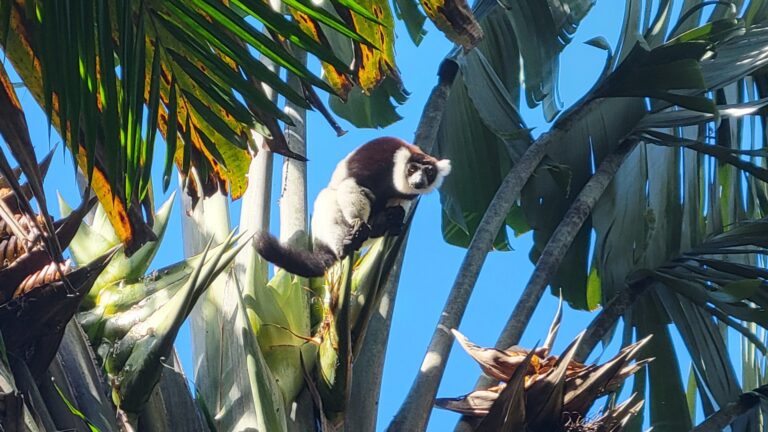
Human-wildlife interaction in Madagascar
Three WashU researchers studying human-wildlife interaction in the forests of Madagascar have approached their research in a unique way – one that recognizes that protecting wildlife requires protecting people.
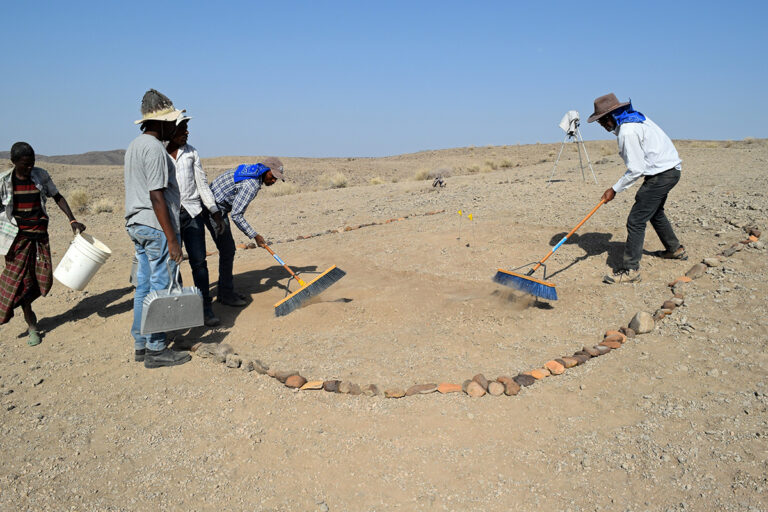
Ancestor in the trees: A closer look at a not-so-distant relative
Sifting through the seemingly endless sands of Ethiopia’s Afar Rift, researchers have uncovered telling remnants of a long-lost human ancestor.
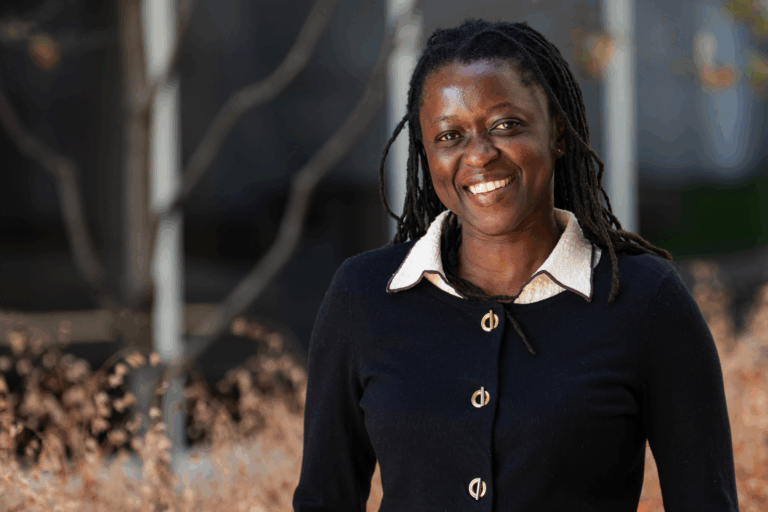
A conversation with pediatric HIV researcher Massy Mutumba
Growing up in a world saturated by fear of HIV and AIDS, WashU Public Health’s Massy Mutumba developed a commitment to help her country fight the HIV epidemic.

Researcher wins $5M NIH grant to improve mental health care for HIV patients
Proscovia Nabunya, an associate professor at the Brown School, has received a $5 million federal grant from the National Institute of Mental Health, part of the National Institutes of Health (NIH), to streamline mental health treatment and HIV medication support for adolescents living with HIV in rural Uganda.