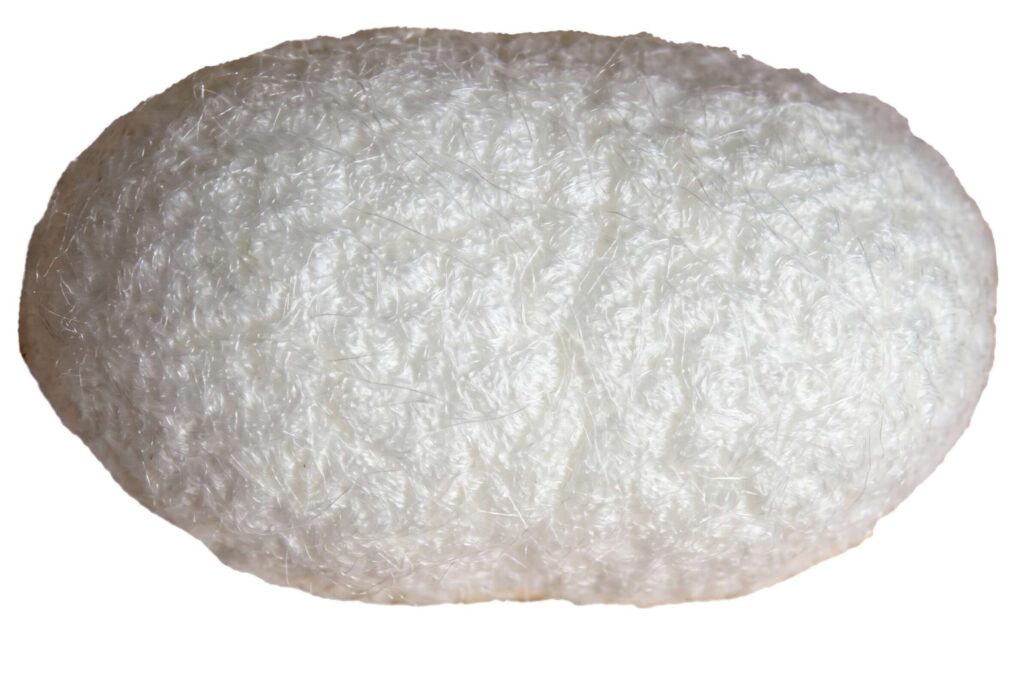
The silkworm moth, whose caterpillars have been used in silk production since antiquity, may have been brought to southern Central Asia 4,000 years ago — nearly 2,000 years earlier than previously assumed — according to new research from Washington University in St. Louis.
The discovery of three well-preserved cocoons at an archaeological site in Uzbekistan pushes back the earliest verified date for silkworms cultivated outside of China.
Up until now, it was generally accepted that silk products and their accompanying knowledge spread from ancient China to Central Asia and beyond within the context of the Silk Road, the famed route used by traders during the Roman and Han period. While many goods including spices, teas, porcelain and glassware were traded along this route, silk was the most coveted luxury item exported from China to the Roman Empire, giving the expansive route its iconic name.

The new archaeological evidence opens up the possibility of an earlier dispersal of silk and sericulture, according to Xinyi Liu, a professor of archaeology in WashU Arts & Sciences, corresponding author of a study in the journal Science Advances.
“This is the oldest reliable archaeological record of preserved silkworm cocoons with direct radiocarbon dates,” Liu said. “Even in China, where the silkworm moth was domesticated, we don’t have preserved cocoons as old as this, in part because of challenges with archaeological preservation.”