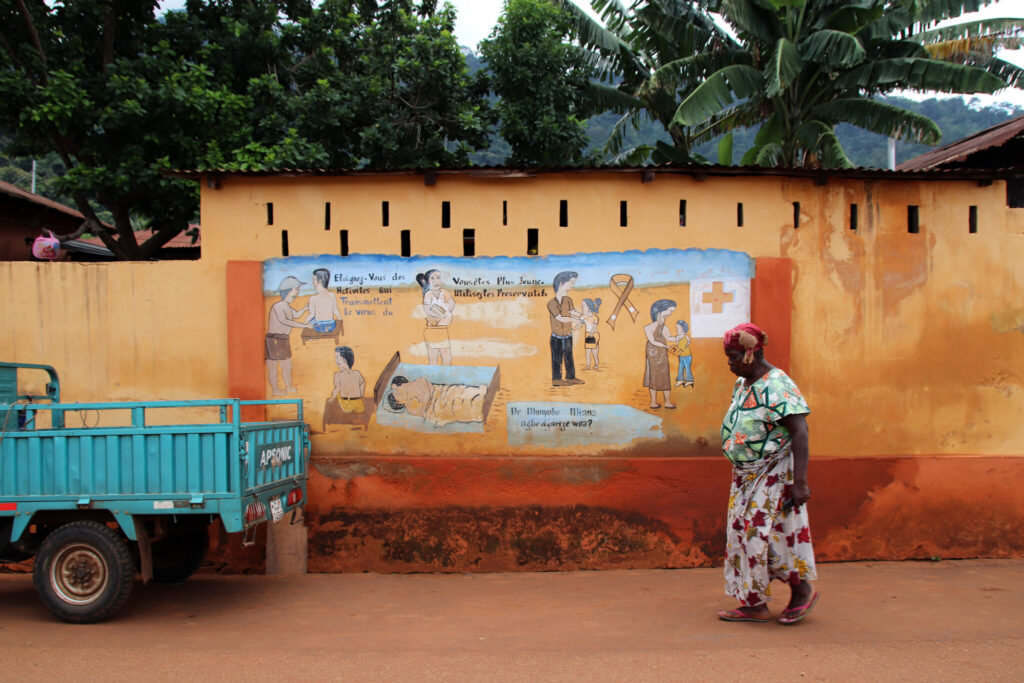
New tools for fighting HIV, including medicines and diagnostic tests, have led to higher survival rates and a reduction of new infections. But HIV remains a persistent epidemic, infecting an estimated 41 million people worldwide, according to the World Health Organization. Despite the availability of these potentially life-saving tools, studies show that many communities — particularly in poor and rural areas — have severely limited access to them.
That could change in the future.
In a quest to remove barriers to treatment and prevention and speed an end the epidemic, researchers from across the globe will convene an international meeting in South Africa to discuss the promising and evolving field of HIV implementation science. Implementation can be broadly defined as the process of delivering scientific advances, such as HIV drugs, to the community of patients who need them.
The HIV, Infectious Diseases, and Global Health Science of Implementation Conference, or VISTA, will take place from September 21-23, 2026, in Cape Town, South Africa. VISTA is organized by researchers from Washington University in St. Louis and the University of Cape Town.