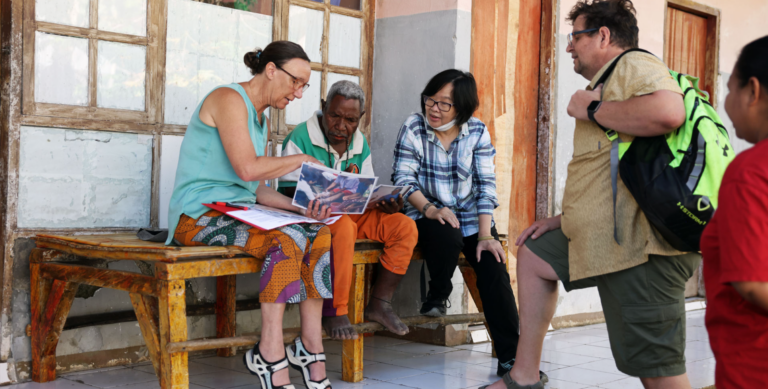
A welcome instance of hope
Fischer, professor of medicine at WashU Medicine, heads the school’s Death to Onchocerciasis and Lymphatic Filariasis Project (DOLF). The program’s dramatic name feels appropriate given the audaciousness of its goal: the complete elimination of two devastating parasitic diseases. Lymphatic filariasis (LF, known as elephantiasis) and onchocerciasis (oncho, known as river blindness) cause illness and disability, affecting millions in tropical and subtropical regions of the world.
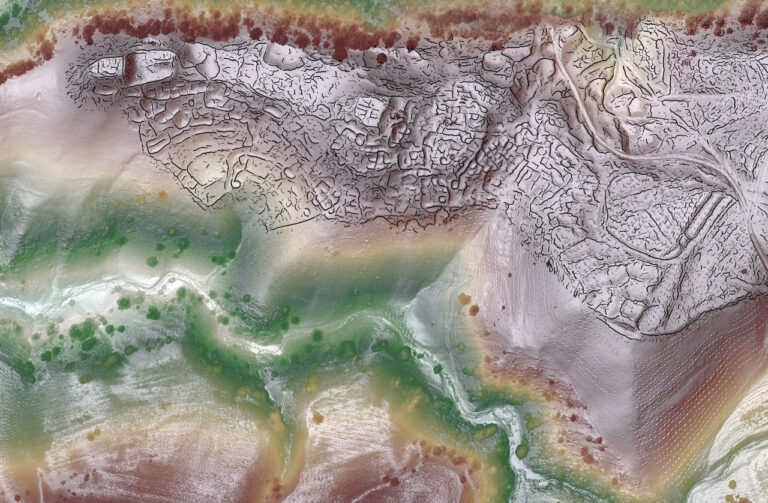
High-res lidar exposes large, high-elevation cities along Asia’s Silk Roads
The first-ever use of cutting-edge drone-based lidar in Central Asia allowed archaeologists to capture stunning details of two newly documented trade cities high in the mountains of Uzbekistan.
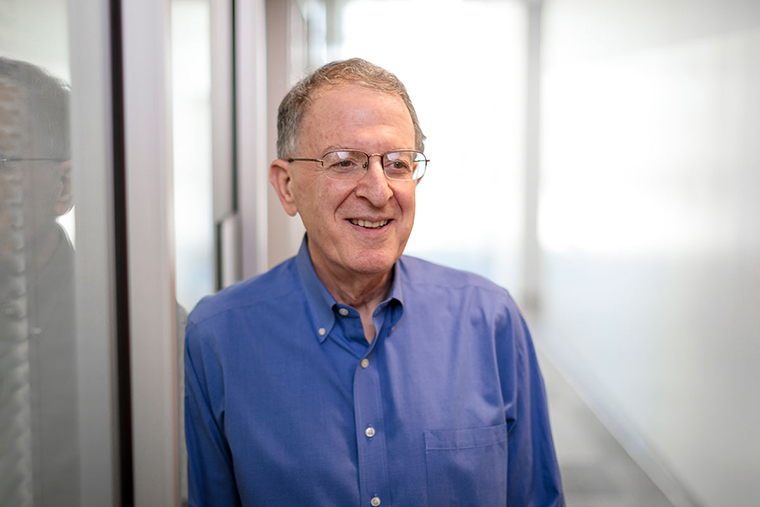
Gordon receives Nierenberg Prize
Jeffrey Gordon, MD, of Washington University School of Medicine in St. Louis, has received the 2024 Nierenberg Prize for outstanding contributions to science in the public interest. He is widely considered the founder of the field of gut microbiome research.
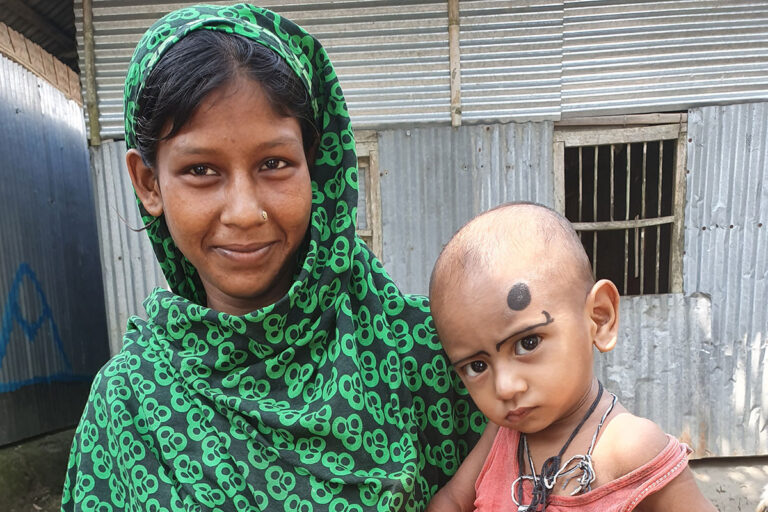
Global trials for WashU’s childhood malnutrition therapy backed by Andy Newman gift
A staggering 3 million children die from malnutrition across the globe each year, with many more left with long-lasting deficits in their growth and development. Jeffrey I. Gordon, MD – widely regarded as the father of the microbiome – has dedicated his life’s work to changing this paradigm. Gordon, of Washington University School of Medicine […]

Next Age Institute: Defining a new social contract for the 21st century
Next Age Institute (NAI), a partnership between Washington University and the National University of Singapore (NUS), envisions a world where people develop their capabilities and engage with the world across the life course, and where the poorest and oldest are not isolated in hardship.
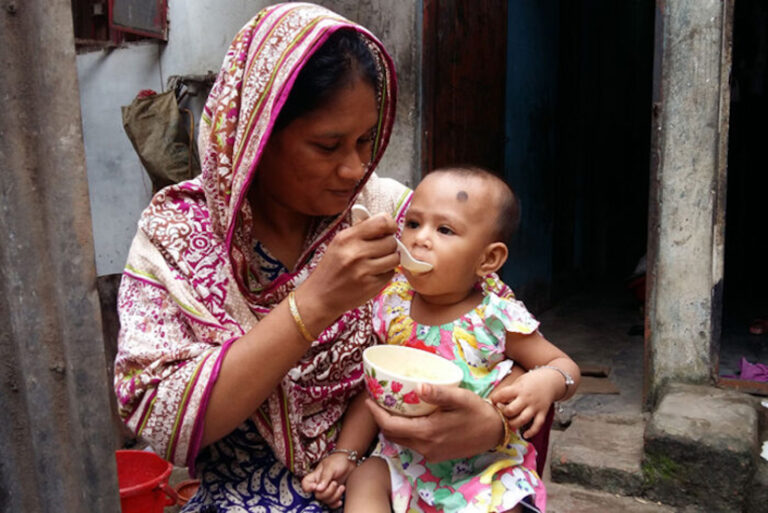
Conquering childhood malnutrition
Childhood malnutrition is a major global health challenge. It affects more than 150 million children under the age of 5 worldwide, with a disproportionate impact in South Asia and Sub-Saharan Africa, according to the World Health Organization.