Interview with Faculty Fellow Thembelani Mbatha
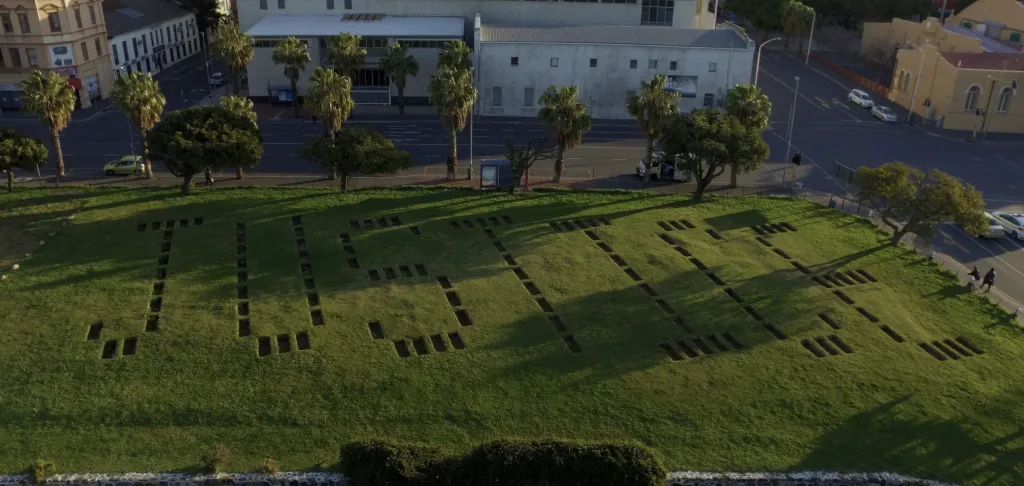
South Africa’s transition from apartheid to democracy launched a national effort to reckon with the past, most notably through the Truth and Reconciliation Commission (TRC). Yet reconciliation has not resolved the question of how to address apartheid’s enduring effects. In his current book project, “Specters of Memory: Regimes of Remembrance and the Aesthetic Afterlives of Apartheid,” Thembelani Mbatha, assistant professor of African and African American studies and a Faculty Fellow in the Center for the Humanities, examines how artists, writers and other cultural practitioners challenge dominant narratives of remembrance and make space for histories that official accounts may leave unaddressed.
Below, Mbatha discusses the limits of official approaches to historical memory, the work of artists who resist calls to move on from apartheid and the possibilities for imagining a more just future without treating the past as settled.